Wapen van Utrecht voorzijde pijpenmaker ca. 1730 - 1760
Tussen circa 1730 en 1760 vond in Zwolle kleipijpenproductie plaats door een nader onbekende pijpenmaker die gebruikmaakte van het Wapen van Utrecht als kopmerk. Hoewel dit merk veelvuldig werd toegepast in grote en kleine productiecentra (waaronder Gouda, Utrecht, Gorinchem en Schoonhoven), onderscheidt de Zwolse variant zich op zowel typologisch als vormtechnisch vlak.
De pijpen vertonen een vrij grove afwerking, wat wijst op een goedkopere marktklasse of een lokale imitatie. Typologisch opvallend is dat het merk niet op de hiel of zijkant is aangebracht, maar als reliëfmerk op de voorzijde van de kop staat afgebeeld, uitgevoerd met het Utrechts wapenschild ondersteund door twee leeuwen als schildhouders.
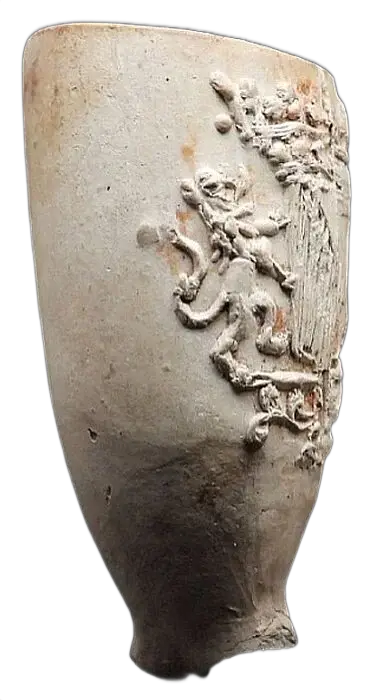
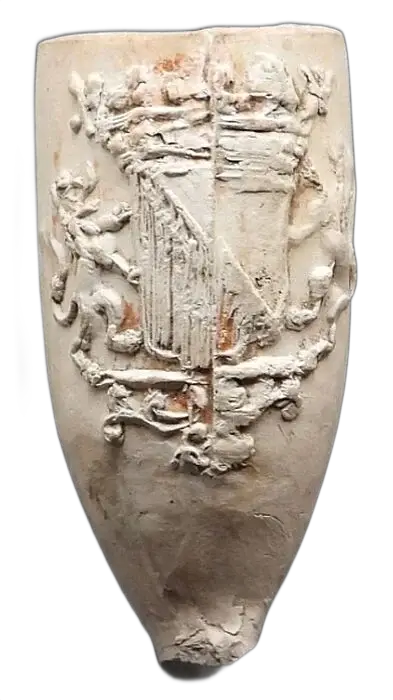
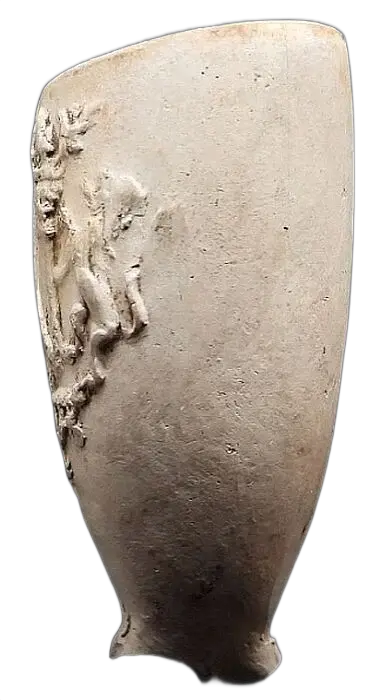
Bekijk 204 met reliëfmerk Wapen van Utrecht
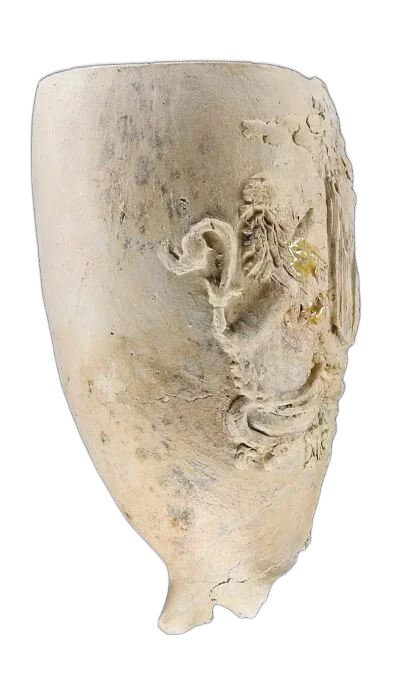
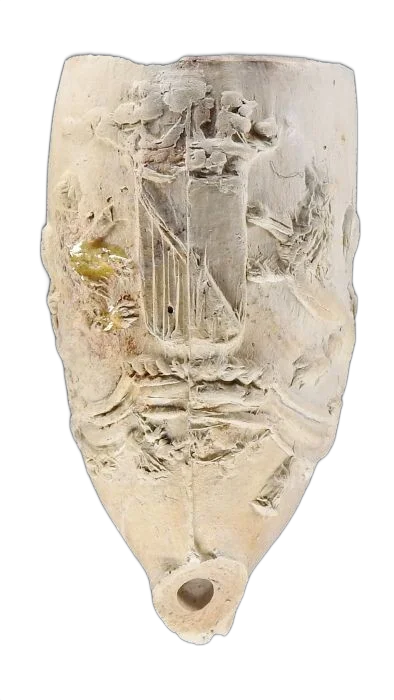
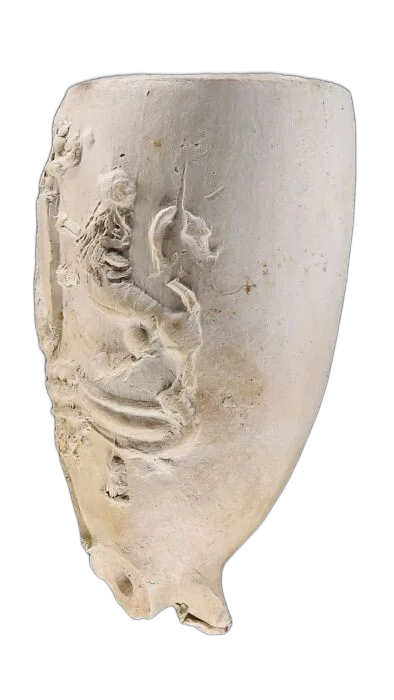
Bekijk D-1704 met reliëfmerk Wapen van Utrecht
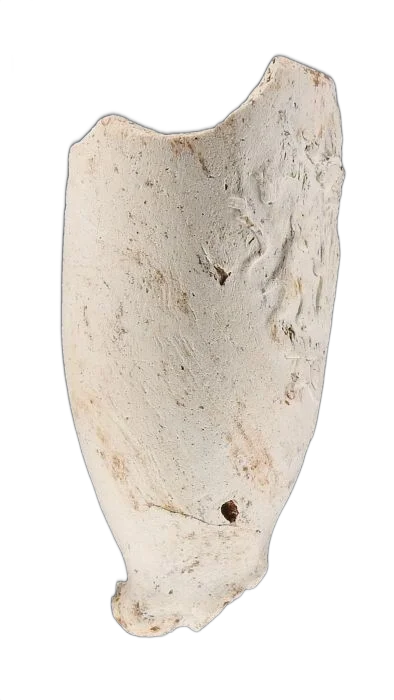
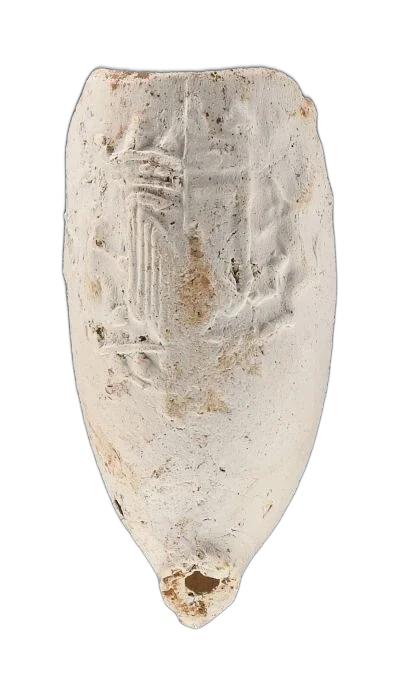
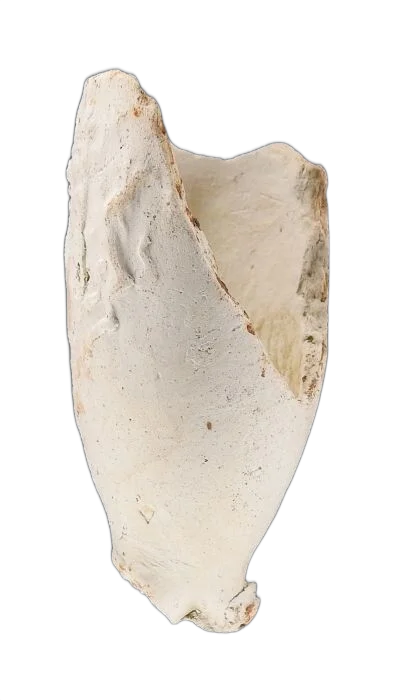
Bekijk D-1705 met reliëfmerk Wapen van Utrecht
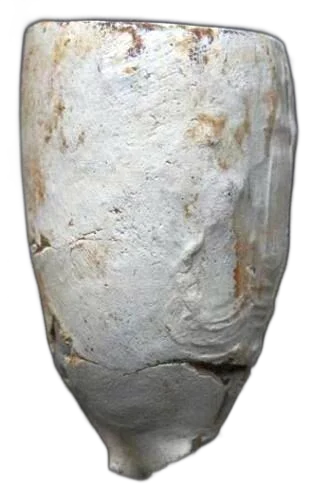
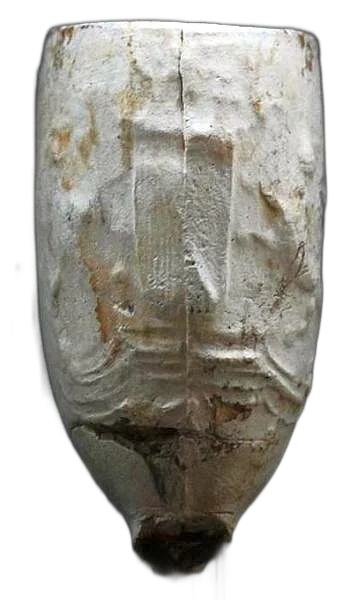
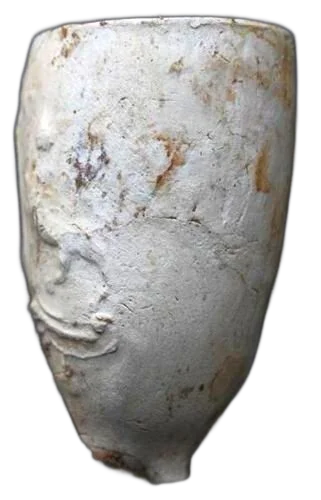
Bekijk D-37 met reliëfmerk Wapen van Utrecht

Between approximately 1730 and 1760, clay pipe production took place in Zwolle by an as yet unidentified pipe maker who used the Coat of Arms of Utrecht (Wapen van Utrecht) as a bowl mark. Although this mark was frequently applied in both major and minor production centers (including Gouda, Utrecht, Gorinchem, and Schoonhoven), the Zwolle variant is distinguished by both typological and morphological features.
The pipes exhibit a relatively coarse finish, pointing to a lower market segment or a local imitation. Typologically noteworthy is that the mark was not stamped on the heel or sides, but was placed as a relief mark on the front of the bowl, depicting the Utrecht coat of arms flanked by two lions as supporters.
Ref. 05, 27, 38